WhatsApp/WeChat: +86-15373845982 Email Shuorui Supply

Solution for Effective Bale Net Wrap Usage
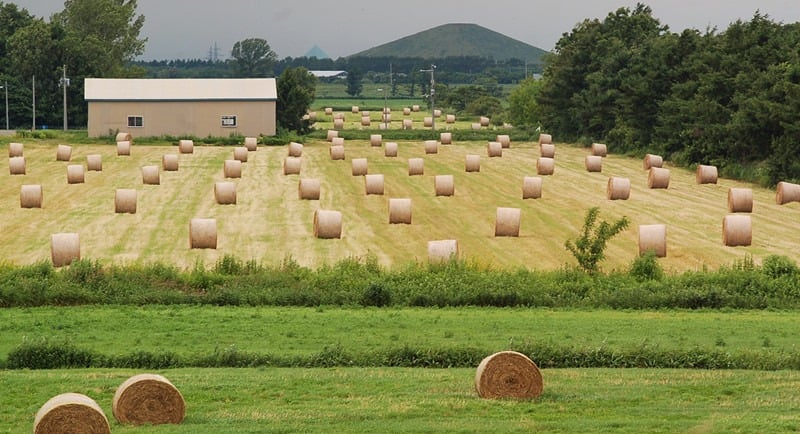
Bale net wrap is a critical component in modern hay and straw baling, ensuring bale integrity, reducing spoilage, and simplifying handling. This solution outlines best practices for selecting, applying, and maintaining net wrap to maximize efficiency and crop preservation.
SULOTIONS
12/10/20252 min read
1. Net Wrap Selection Guide
· Material Strength:
o Opt for UV-stabilized polypropylene or polyethylene netting for durability.
o Tensile strength: ≥ 250 N/cm² to withstand bale expansion and transport.
· Mesh Design:
o Smaller mesh (e.g., 12–14 mm gaps): Better for fine hay or dusty crops.
o Larger mesh (e.g., 20–25 mm gaps): Suitable for straw or robust forage.
· Roll Dimensions:
o Match roll width to baler requirements (standard: 1,200–1,500 mm).
o Length: 2,000–3,000 meters per roll (varies by bale size and layers).
· Color Options:
o Black/Green: UV-resistant and blends with machinery.
o White/Orange: High visibility for safety in fieldwork.
2. Storage and Handling
· Storage:
o Keep rolls in a cool, dry place away from direct sunlight to prevent UV degradation.
o Store rolls upright on pallets to avoid flattening or distortion.
· Transportation:
o Secure rolls with straps during transit to prevent unspooling.
o Protect from moisture, dirt, and rodents.
· Pre-Use Inspection:
o Check for tears, frayed edges, or damage before loading onto the baler.
o Discard compromised rolls to avoid mid-baling failures.
3. Application Process
A. Baler Setup
1. Load the Net Wrap:
o Thread the net wrap through the baler’s guides and tension arms according to the manufacturer’s manual.
o Ensure smooth feeding to avoid jams or uneven wrapping.
2. Adjust Settings:
o Set the number of net wrap layers (typically 4–6 rotations per bale).
o Calibrate tension to avoid overstretching or loose wraps.
B. Wrapping Technique
1. Start the Wrap:
o Begin wrapping when the bale reaches 50–70% of its final size to ensure full coverage.
2. Uniform Coverage:
o Maintain consistent overlap (20–30%) between layers for structural support.
o Prioritize coverage on the bale’s ends to prevent unraveling.
3. Cutting and Securing:
o Use the baler’s built-in cutter to trim the net wrap cleanly.
o Ensure the trailing edge is tucked under the final layer for a secure finish.
C. Post-Wrapping Checks
· Inspect bales for gaps, loose ends, or weak spots.
· Re-wrap defective bales immediately to prevent spoilage.
4. Troubleshooting Common Issues
5. Environmental and Cost Efficiency
· Recycling: Partner with agricultural recycling programs for used net wrap.
· Waste Reduction:
o Calculate net wrap needs based on bale size (e.g., 10–12 bales per roll).
o Use baler automation to minimize manual errors.
· Cost Savings: Bulk purchasing and reusable net wrap systems (if available).
6. Safety Best Practices
· Wear gloves to protect hands from abrasive net edges.
· Never attempt to clear baler jams while the machine is running.
· Keep bystanders away during baling operations.
7. Conclusion
Proper use of bale net wrap enhances bale durability, reduces harvest losses, and streamlines storage and transport. By selecting high-quality materials, calibrating equipment, and adhering to best practices, farmers can ensure optimal results.
Key Performance Metrics:
· ≤5% bale spoilage due to weather or handling.
· Consistent bale shape and density for stacking.
· Reduced downtime from net wrap malfunctions.
Final Tip: Pair net wrap with silage film or twine for high-moisture crops to prevent spoilage.
By integrating these guidelines, agricultural operations can achieve efficient, cost-effective baling with minimal environmental impact.
Copyright © 2025 Shuorui. All rights reserved.